

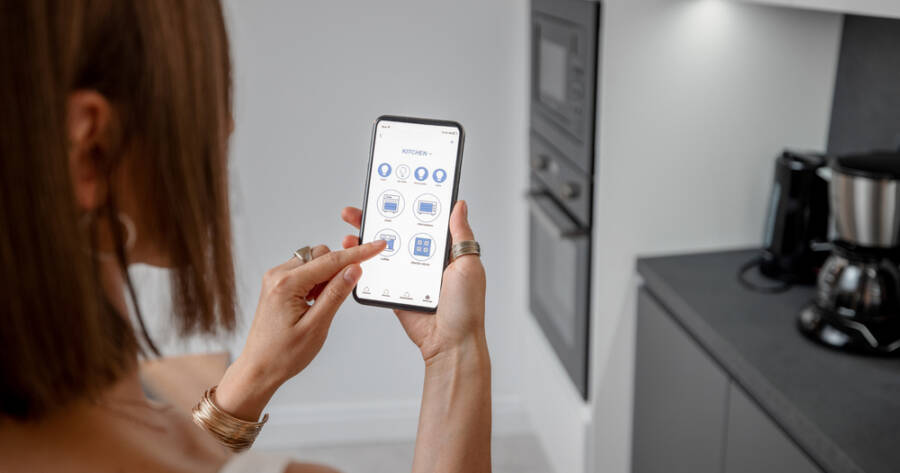
Smart kitchen tools are becoming less about novelty and more about solving everyday cooking frustrations. Connected air fryers can provide progress updates, precision cookers can hold exact temperatures, and sensor-equipped appliances can automatically adjust certain settings. The most useful options reduce hands-on work or guesswork without making a simple meal feel more complicated than it needs to be.
What Makes a Kitchen Appliance “Smart”?
The term “smart kitchen appliance” covers a broad range of products, but the common thread is connectivity. Smart kitchen devices are broadly defined as Wi-Fi-enabled or AI-powered appliances that allow users to control, monitor, and receive notifications via a smartphone (source). Rather than requiring a cook to stand over the stove, these tools can send alerts, adjust temperatures automatically, or even follow a multi-step recipe on their own.
The appeal for home cooks is straightforward: less guesswork, fewer mistakes, and more freedom to step away from the kitchen without worrying about a dish overcooking. The best smart kitchen appliances automate parts of the cooking process, keep users updated on the progress of their food, or simply make sure a recipe is being followed correctly (source).
Smart Air Fryers and Combi Cookers
Air fryers have become a staple in many American households, and smart versions add a new layer of convenience to an already popular appliance. Some models, like the Cosori Smart 5.8-Quart Air Fryer, support Amazon Alexa and Google Assistant voice commands and feature touch screens with numerous presets for both fresh and frozen foods (source). This means a cook can start preheating an air fryer from another room without ever touching the device.
More advanced options, such as the Dreo ChefMaker Combi Fryer, go even further. This type of appliance supports automated cooking modes for a wide variety of meats and vegetables, allows users to build custom multi-step cooking recipes, and includes a built-in temperature probe to monitor food internally throughout the process (source). For home cooks who want precision without constantly watching the clock, this kind of automation can be genuinely useful.
Precision Cooking With Smart Sous Vide Tools
Sous vide cooking, once reserved for professional kitchens, has become more accessible thanks to connected devices. The Anova Precision Cooker is a frequently cited example in this category, offering app-based control that lets a user monitor and automate the cooking process directly from a smartphone (source). Because sous vide cooking involves holding food at a precise temperature for an extended period, remote monitoring is especially practical. A person can set the device before leaving for work and return to a perfectly cooked meal.
This kind of hands-off cooking suits busy schedules and is particularly helpful for those who want consistent results with proteins like chicken, salmon, or steak. The smartphone connection allows adjustments without needing to be physically present in the kitchen, which adds a meaningful layer of flexibility to the cooking routine.
Smart Blenders and Sensor-Based Appliances
Sensor-based blending is another useful development. Ninja’s BlendSense technology, for example, can detect factors such as portion size, ice, and ingredient resistance, then automatically adjust blending speed and duration. That can reduce some of the trial and error involved in making smoothies, frozen drinks, sauces, and similar foods (source).
These sensor-driven features reflect a broader trend in smart kitchen design: shifting the burden of judgment from the cook to the appliance. Rather than relying on experience or intuition, the device itself senses what is needed and responds accordingly. This approach can lower the barrier to preparing more complex recipes for less experienced cooks.
Beyond Cooking: Smart Kitchen Tools for Sustainability
Smart technology is also reaching food-waste management. The Mill food recycler dries and grinds kitchen scraps into compact food grounds and can send app notifications when the bin is getting full. Mill specifically distinguishes the device from a composter because it does not biologically break down food into finished compost (source).
While this may not be the first thing that comes to mind when people think about smart kitchen appliances, it reflects how the category is expanding beyond cooking itself. The idea of a connected kitchen now encompasses managing food throughout its entire lifecycle, from preparation to disposal.
How to Evaluate Whether a Smart Appliance Adds Real Value
A connected feature is most worthwhile when it solves a recurring kitchen problem rather than simply adding more controls or another app. Shoppers benefit from focusing on what problems they actually face in the kitchen. Someone who regularly overcooks proteins might find a smart thermometer probe invaluable, while someone who simply wants the convenience of voice control might be satisfied with a basic smart coffee maker. Matching the technology to a real, recurring need is more likely to produce satisfaction than buying the most feature-rich option available.
Compatibility with existing smart home ecosystems is also worth considering. Appliances that work with platforms like Amazon Alexa or Google Assistant can be integrated into routines already in place, making them easier to adopt. An air fryer that responds to the same voice assistant already controlling the lights and thermostat fits more naturally into daily life than an appliance requiring a separate, rarely used app.
Shoppers should also check whether basic functions continue to work without an internet connection and whether advanced features require an account or subscription. A kitchen appliance may last far longer than the app or online service supporting its connected features.
Why You Should Learn More About Smart Kitchen Tools Today
Smart kitchen tools represent a growing category of home technology that has the potential to make everyday cooking more efficient, more consistent, and more manageable. Whether it is a precision cooker that holds temperature perfectly for hours, an air fryer that responds to voice commands, or a blender that automatically adjusts its speed and timing based on the ingredients, these appliances are designed to reduce friction in the kitchen.
The most valuable devices are those that solve real problems without adding unnecessary complexity to the cooking routine. As the category continues to develop and mature, home cooks in the United States have more thoughtfully designed options available to them than ever before, making this a worthwhile area for anyone interested in simplifying their time in the kitchen to explore further.